
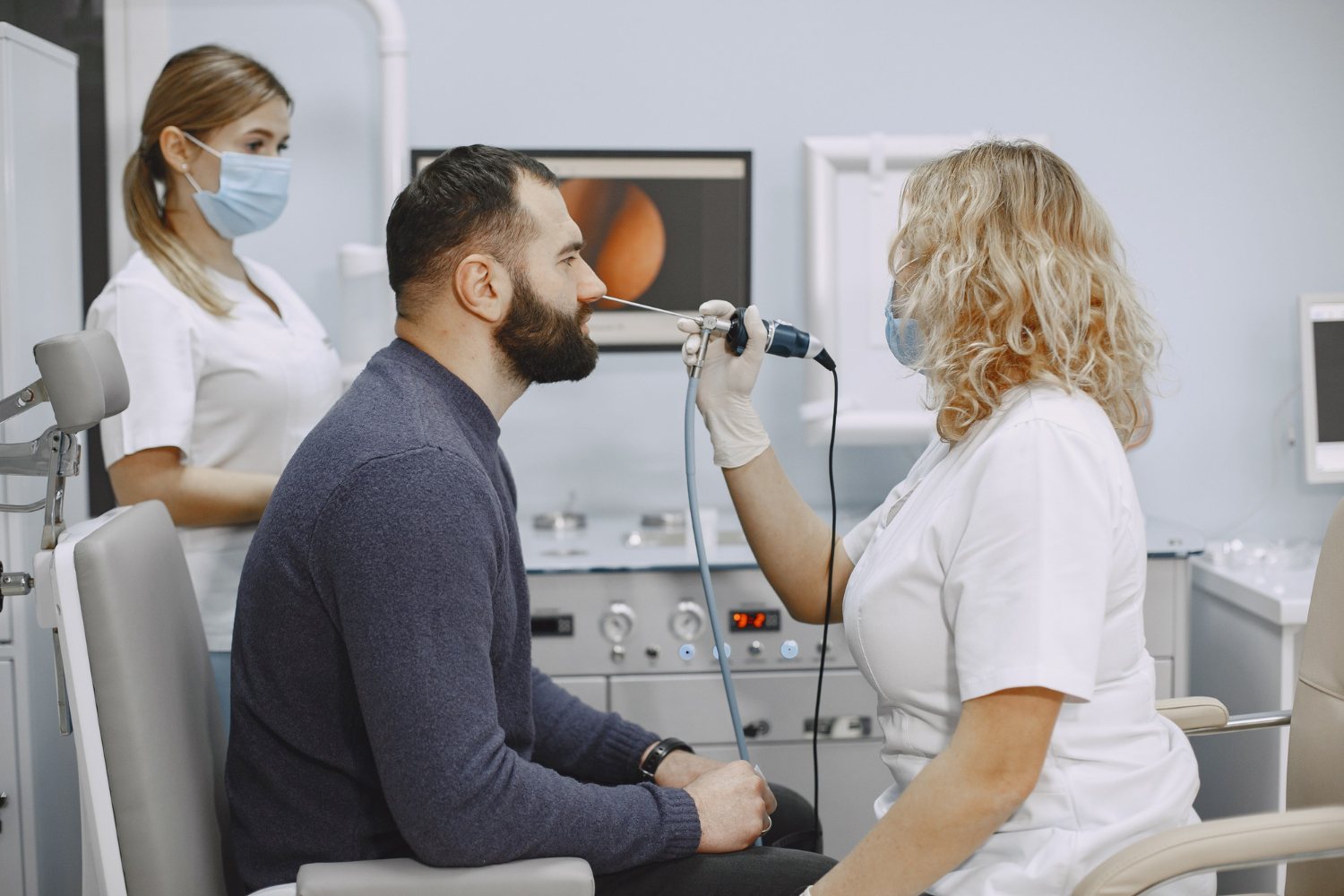
Video Laryngoscope: A Modern Tool for Safer Airway Management
Airway management is one of the most important parts of medical care. Doctors and emergency professionals must make sure a patient can breathe properly during surgery, trauma, or critical illness. One of the most helpful tools used today is the Video Laryngoscope. This device has changed the way medical teams perform intubation and manage difficult airways.
What Is a Video Laryngoscope?
A Video Laryngoscope is a medical device used to help doctors see inside a patient’s throat during intubation. Intubation is the process of placing a tube into the windpipe to help a patient breathe. Unlike traditional laryngoscopes that require direct line-of-sight, this advanced tool uses a small camera attached to a blade. The camera sends a live video image to a screen, giving a clear view of the airway.
This improved visibility makes the procedure easier and safer, especially in difficult cases.
How It Works
The device includes three main parts: a handle, a blade with a camera, and a display screen. When the blade is inserted into the patient’s mouth, the camera captures real-time images of the vocal cords and airway structures. These images are shown on the monitor, allowing the doctor to guide the breathing tube accurately.
Because the image is magnified and well-lit, the medical professional does not need to align their eyes directly with the airway. This reduces strain and improves precision.
Why It Is Important in Modern Medicine
Airway problems can be life-threatening if not handled quickly and correctly. In emergency situations such as accidents, cardiac arrest, or respiratory failure, time is critical. A Video Laryngoscope increases the chances of successful intubation on the first attempt. This reduces complications and improves patient safety.
In operating rooms, anesthesiologists also rely on this device during surgeries. It helps maintain oxygen supply and ensures smooth procedures.
Advantages Over Traditional Laryngoscopes
Traditional laryngoscopes require the doctor to look directly into the mouth to see the vocal cords. This can be difficult in patients with small mouths, limited neck movement, obesity, or facial trauma. The Video Laryngoscope solves many of these challenges.
Here are some key benefits:
-
Better visualization of the airway
-
Higher first-attempt success rate
-
Reduced risk of airway injury
-
Helpful in difficult airway cases
-
Improved teaching tool for medical students
Because the image is displayed on a screen, instructors can guide students during training. This makes it an excellent educational device.
Use in Emergency and Critical Care
Emergency departments and ambulances often carry this device. In critical care units, doctors use it for patients who cannot breathe on their own. During pandemics and infectious disease outbreaks, it has also helped reduce close contact between doctors and patients, lowering infection risk.
The Video Laryngoscope allows the healthcare provider to maintain a safer distance from the patient’s airway while still getting a clear view.
Different Types Available
There are different designs available in the market. Some have reusable blades, while others use disposable blades to reduce infection risk. Some models are portable and battery-operated, making them ideal for field use or ambulance settings.
Certain versions include anti-fog technology, high-definition cameras, and recording features. These added features improve performance and allow documentation of procedures when needed.
Who Uses This Device?
Many healthcare professionals use this technology, including:
-
Anesthesiologists
-
Emergency physicians
-
Intensive care doctors
-
Paramedics
-
Military medical teams
It is especially useful for patients with difficult airways. People with neck injuries, spinal problems, or unusual anatomy benefit greatly from this advanced equipment.
Training and Skill Development
Although the device makes intubation easier, proper training is still necessary. Doctors and nurses must understand airway anatomy and correct insertion techniques. Simulation labs and medical workshops often include practice sessions with this equipment.
The clear video display helps learners understand what happens during intubation. Over time, this improves confidence and reduces anxiety during real-life emergencies.
Safety and Infection Control
Modern healthcare settings focus strongly on safety and infection prevention. Many models now come with disposable blades to prevent cross-contamination. This is especially important in busy hospitals where multiple procedures are performed daily.
The Video Laryngoscope also reduces trauma to teeth and soft tissues because of better control and visibility. This leads to fewer complications and better patient outcomes.
Growing Demand in Healthcare
The demand for advanced airway devices continues to increase worldwide. Hospitals aim to improve patient safety and reduce complications. As a result, more medical centers are investing in modern equipment.
Technological improvements are also making devices smaller, lighter, and more affordable. This makes them accessible to smaller clinics and rural healthcare facilities.
With growing awareness about patient safety, the use of advanced airway tools is becoming a standard practice rather than an optional upgrade.
Future Developments
Medical technology is evolving quickly. Future versions may include artificial intelligence support, improved imaging quality, and wireless connectivity. Some models may connect directly to hospital systems for recording and documentation.
As research continues, airway management will become even safer and more efficient. The role of the Video Laryngoscope will likely expand in both hospital and emergency settings.
Conclusion
Airway management is a critical part of medical care. The Video Laryngoscope has greatly improved the way doctors perform intubation. With better visualization, higher success rates, and increased safety, it has become an essential tool in modern healthcare.
From operating rooms to emergency departments, this device supports medical teams in saving lives. As technology continues to improve, it will remain a key instrument in ensuring safe and effective airway management.